

It is January 1, 2050, and the world works well. Synthetic cells have become so dependable, ubiquitous, and widely accessible that we take them for granted as standard building blocks of the engineered world.
This vision emerged at Bloomsday, a gathering in Philadelphia that marked the launch of Biotic, a public-benefit research organization working to make synthetic-cell engineering dependable, open, and broadly accessible – soon enough to matter. The meeting took place at the Science History Institute in Old City, just a few blocks from Independence Hall (“the building where America was born”) and Franklin Court – landmarks of Benjamin Franklin’s experiments in self-government and science.
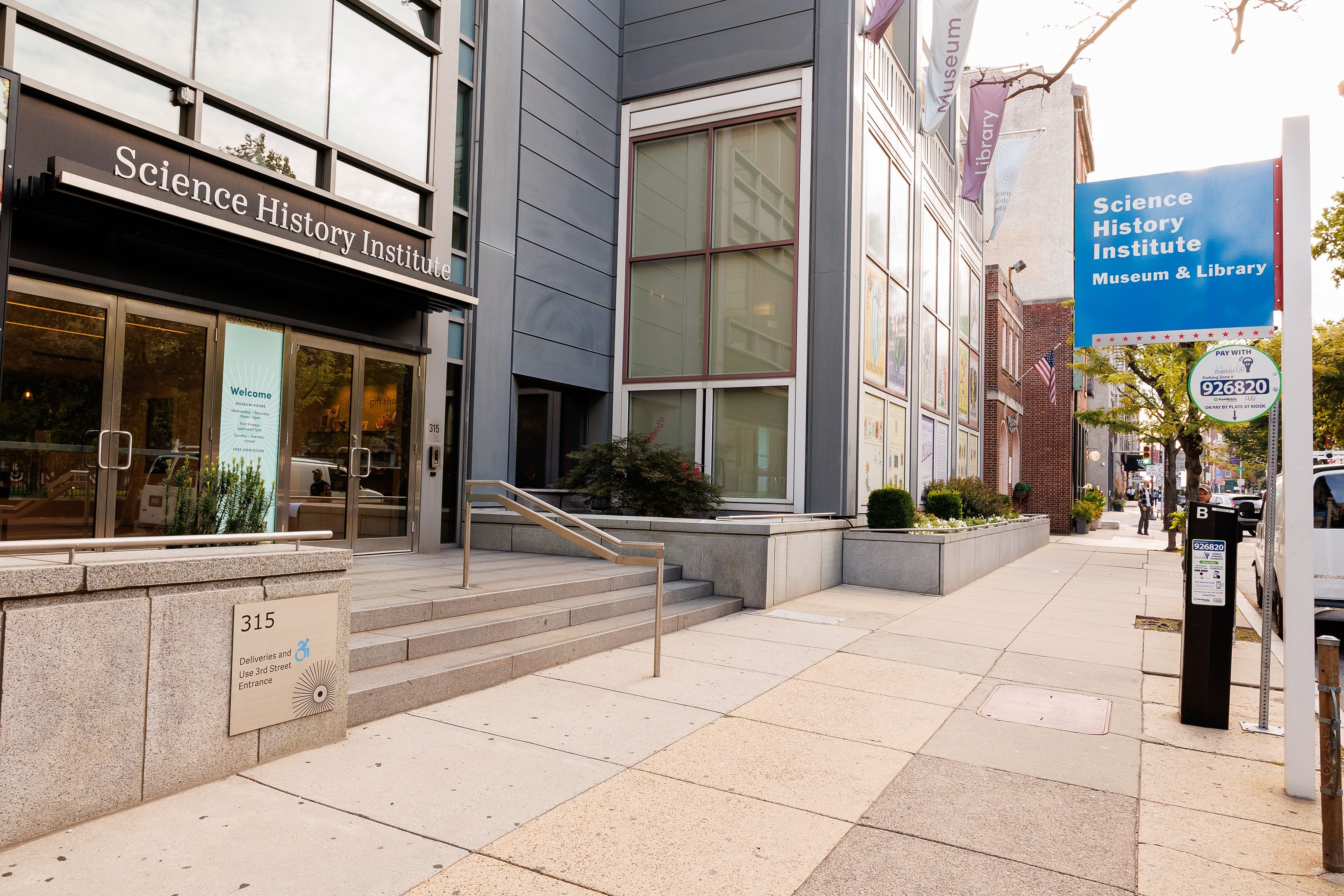
Photo by Fine Focus Studios, courtesy of Biotic Bloomsday 2026
My remarks on biosecurity and cooperation
I was honored to be invited to this event and to join a panel on safety and security, moderated by Kenneth Oye, an MIT political scientist known for his work on adaptive governance of emerging technologies. My fellow panelists were Tom Inglesby, director of the Johns Hopkins Center for Health Security and a leading expert on pandemics and biological threats; John Glass, head of the Synthetic Biology Group at the J. Craig Venter Institute and a key figure in creating the first cell controlled by a synthetic genome; and Sam Evans, a biosecurity-governance scholar and former senior policy advisor to the National Security Commission on Emerging Biotechnology. Together, we explored dual-use risks, preparedness, and the safeguards engineered cellular systems will need as their capabilities grow.
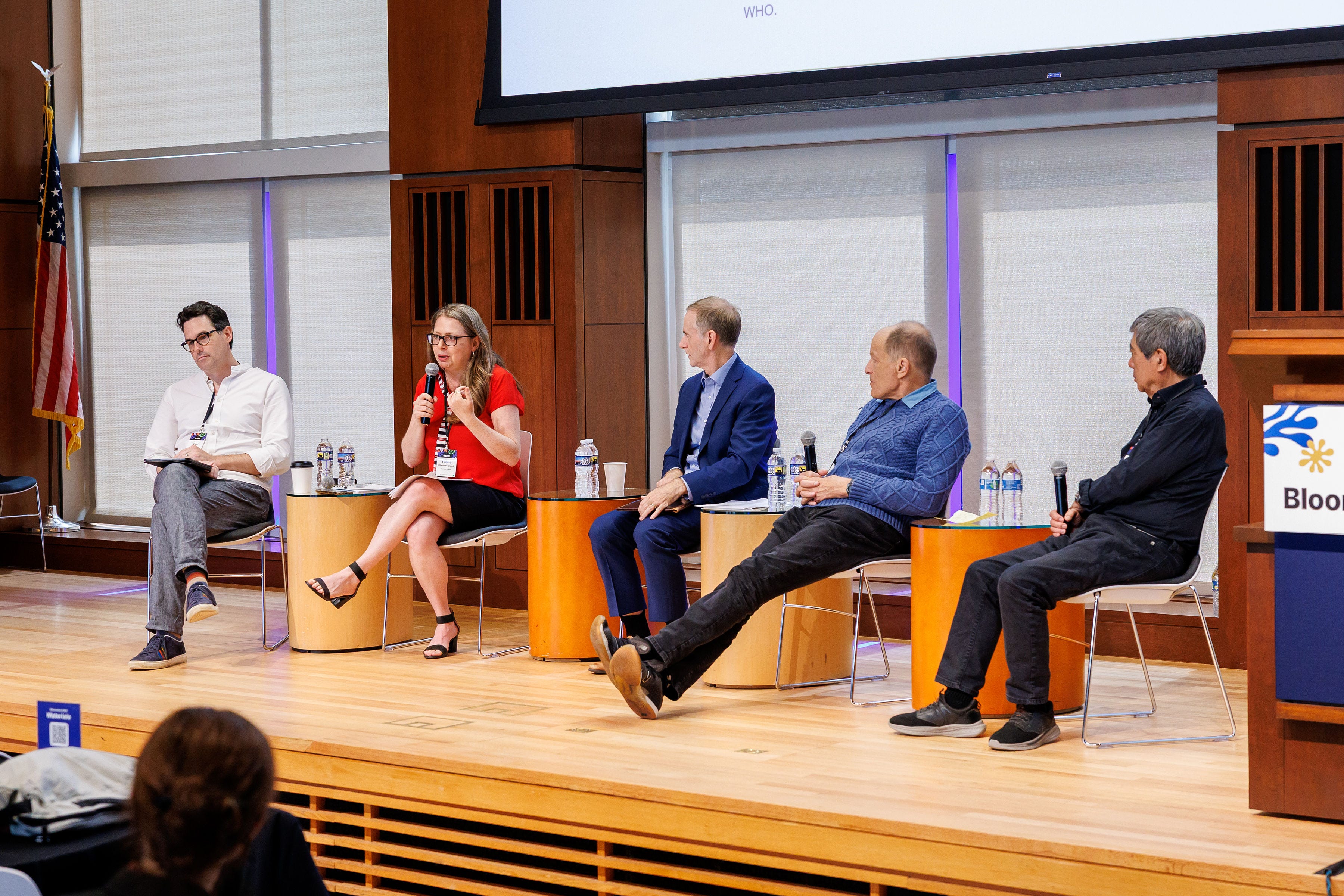
Photo by Fine Focus Studios
My central argument was that synthetic-cell science is advancing in a world increasingly shaped by geopolitical rivalry, mistrust, and war. These technologies promise extraordinary benefits, but they could also enable biological weapons that are precise, covert, and difficult to attribute. For decades, nuclear deterrence has been our dominant – and often reflexive – framework for thinking about weapons of mass destruction. Yet it is a poor fit for an invisible threat. What cannot be detected cannot be reliably deterred.
John von Neumann, the mathematician who helped invent game theory, anticipated such a dilemma in his 1955 essay “Can We Survive Technology?” Because “useful and harmful techniques lie everywhere so close together,” he argued, humanity could neither halt technological progress nor isolate its dangerous forms. The deeper task required “eliminating war as ‘a means of national policy’.” This is because war would be the likeliest channel through which technology could produce global catastrophe. Synthetic-cell scientists therefore have a role beyond the laboratory: to help build the international cooperation needed to keep competition from becoming an arms race and, in doing so, reduce the risk of war.
One model for doing so is Pugwash, which I discussed in my previous post and recent Foreign Policy article. Named after the small Nova Scotia village where scientists first gathered in 1957, the movement sustained dialogue across Cold War divides when governments could barely communicate. Its history offers three lessons: build a shared identity, not just a network; develop norms and governance ideas now, rather than waiting for governments; and cultivate broad international support so the effort never depends on one political party or country. Bloomsday may represent the beginning of just such a community. Pugwash participants became known as “Pugwashites.” For Bloomsday, I proposed “Bloomers.”
The challenge of international cooperation resurfaced throughout the gathering in a more technical form: the need for common standards, shared infrastructure, and models that researchers everywhere can use.
Building biology from first principles
Every natural organism descends from an unbroken line of life. That continuity is extraordinary, but it also leaves biology constrained by evolution. Natural life, as Kate Adamala provocatively put it, is “pretty boring.” It uses a narrow chemical repertoire, and we still cannot observe a living cell in its full complexity. Adamala is a pioneer of bottom-up synthetic biology and a Biotic co-founder.
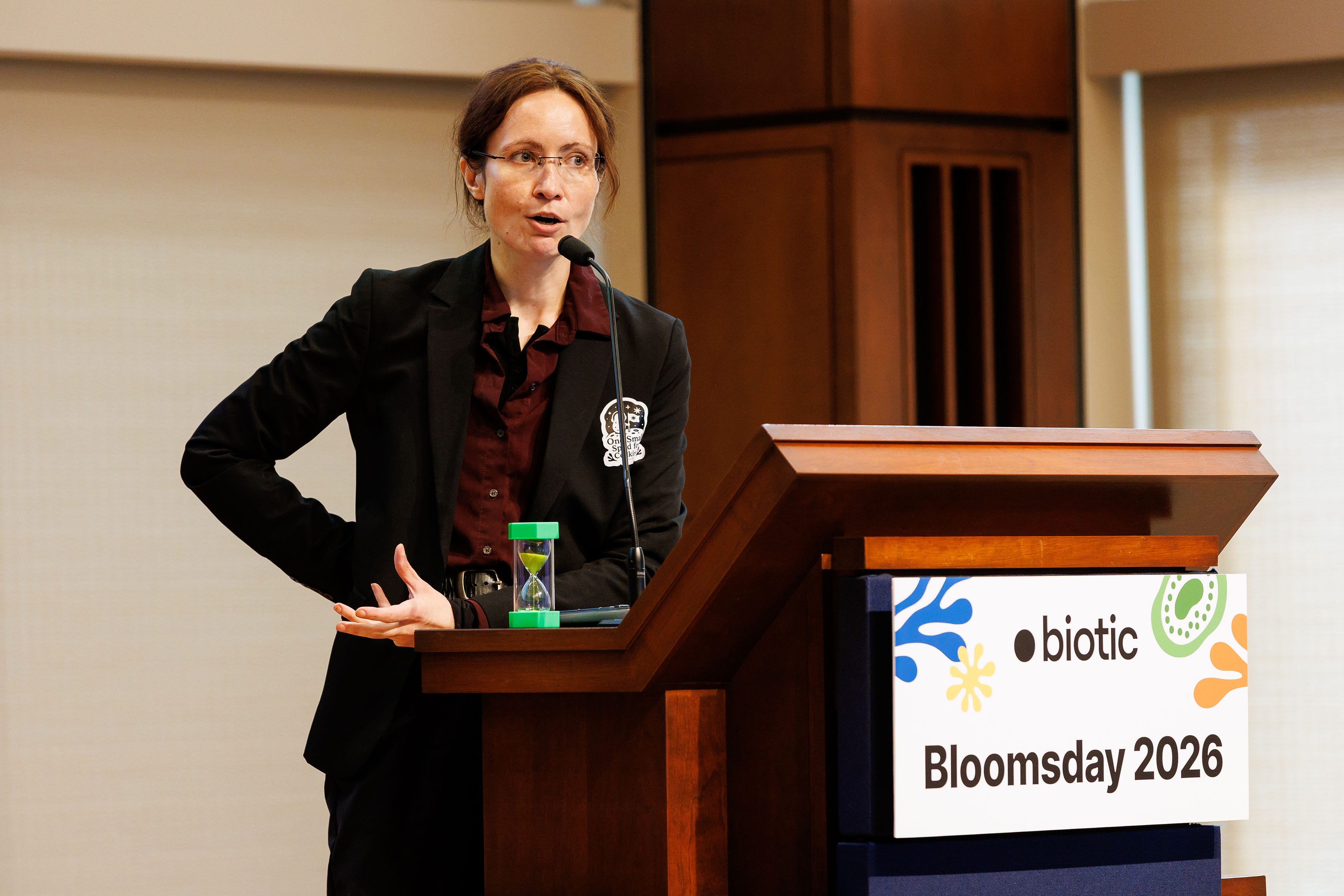
Photo by Fine Focus Studios
In 2026, Adamala and her team at the University of Minnesota unveiled SpudCell, a “cell-like system constructed entirely from known chemical components that can perform a complete cell cycle.” It can grow, replicate, and divide. Science described it as “a microscopic water droplet surrounded by a fatty membrane and stuffed with chemicals and snippets of DNA encoding a mere 36 genes” – and yet “arguably the closest researchers have come to building a living cell from scratch.”
Turning breakthroughs like SpudCell into reliable, programmable systems will require what Drew Endy called “molecular empathy.” Endy, a Stanford bioengineer, synthetic-biology pioneer, and Biotic co-founder, was making a practical point that a cell is not a bag of interchangeable parts. Engineering one requires understanding the physical and biochemical conditions in which its molecules interact, membranes form, and molecular systems assemble and function.
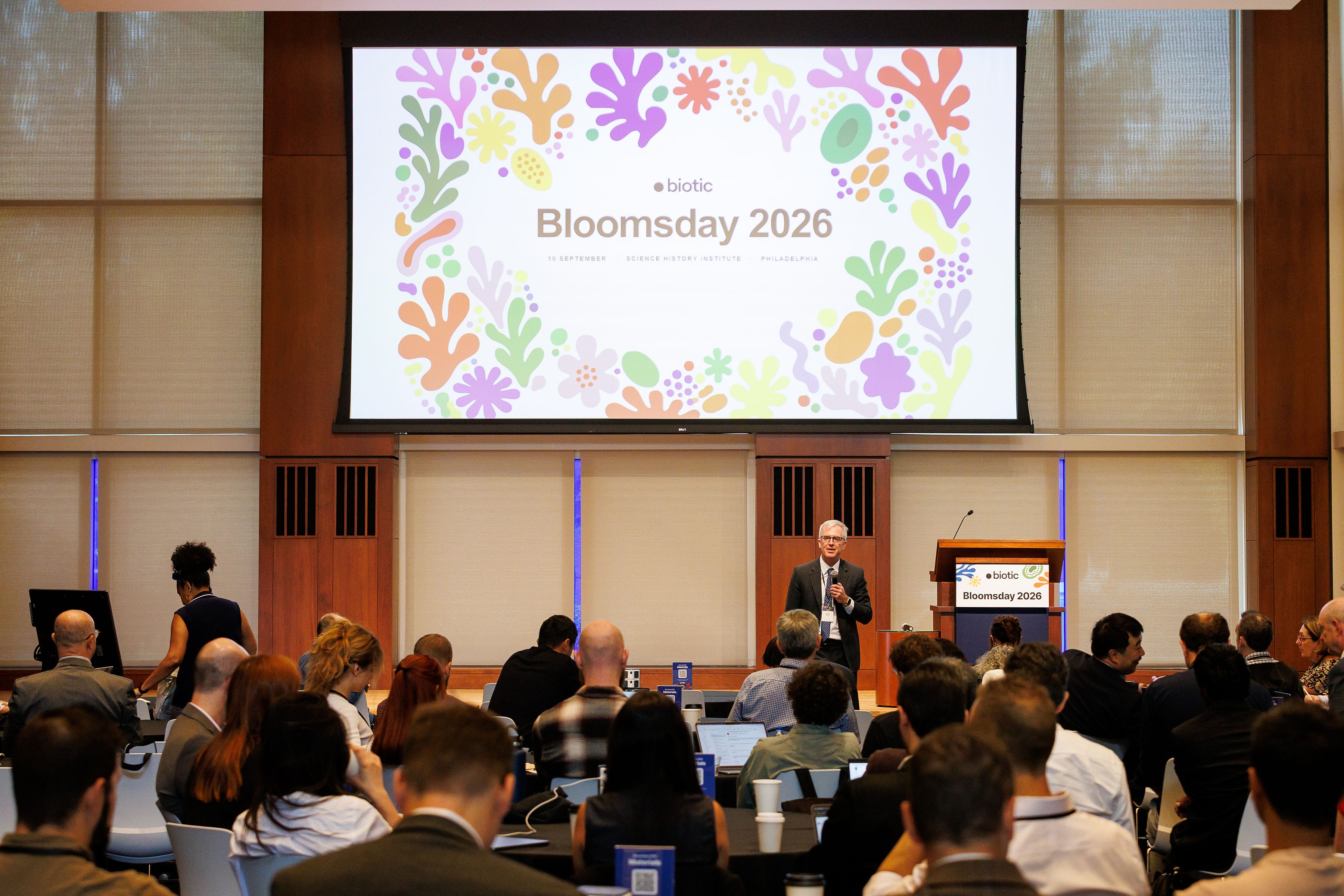
Photo by Fine Focus Studios
Roseanna Zia’s work puts “molecular empathy” into practice. A University of Missouri engineer working at the intersection of computational physics and cell biology, she develops physics-based, AI-guided models that simulate millions of interacting molecules inside whole cells. One central challenge is ribosome biogenesis: understanding how a cell produces and assembles the molecular machinery that makes its proteins.
Progress will require shared standards and infrastructure, including biomeasurement laboratories and digital twins that let researchers model cells before building them. The aim is to turn synthetic cells into a general-purpose technology. It is to turn them into programmable systems that could produce medicines, food, fuels, and materials; deliver drugs; sense their surroundings; and function as microscopic computers and factories.
That scientific infrastructure needs durable political support. In a fireside conversation, Representative Chrissy Houlahan, an engineer and Air Force veteran, stressed that biotechnology must remain bipartisan. She and Republican Representative Stephanie Bice founded and co-chair the Congressional BIOTech Caucus, while the Coalition to Advance Biotechnology connects the caucus with organizations across science, industry, health, agriculture, manufacturing, and security. Together, they reinforce a lesson from Pugwash: scientific cooperation cannot depend on one party, administration, or passing political moment.
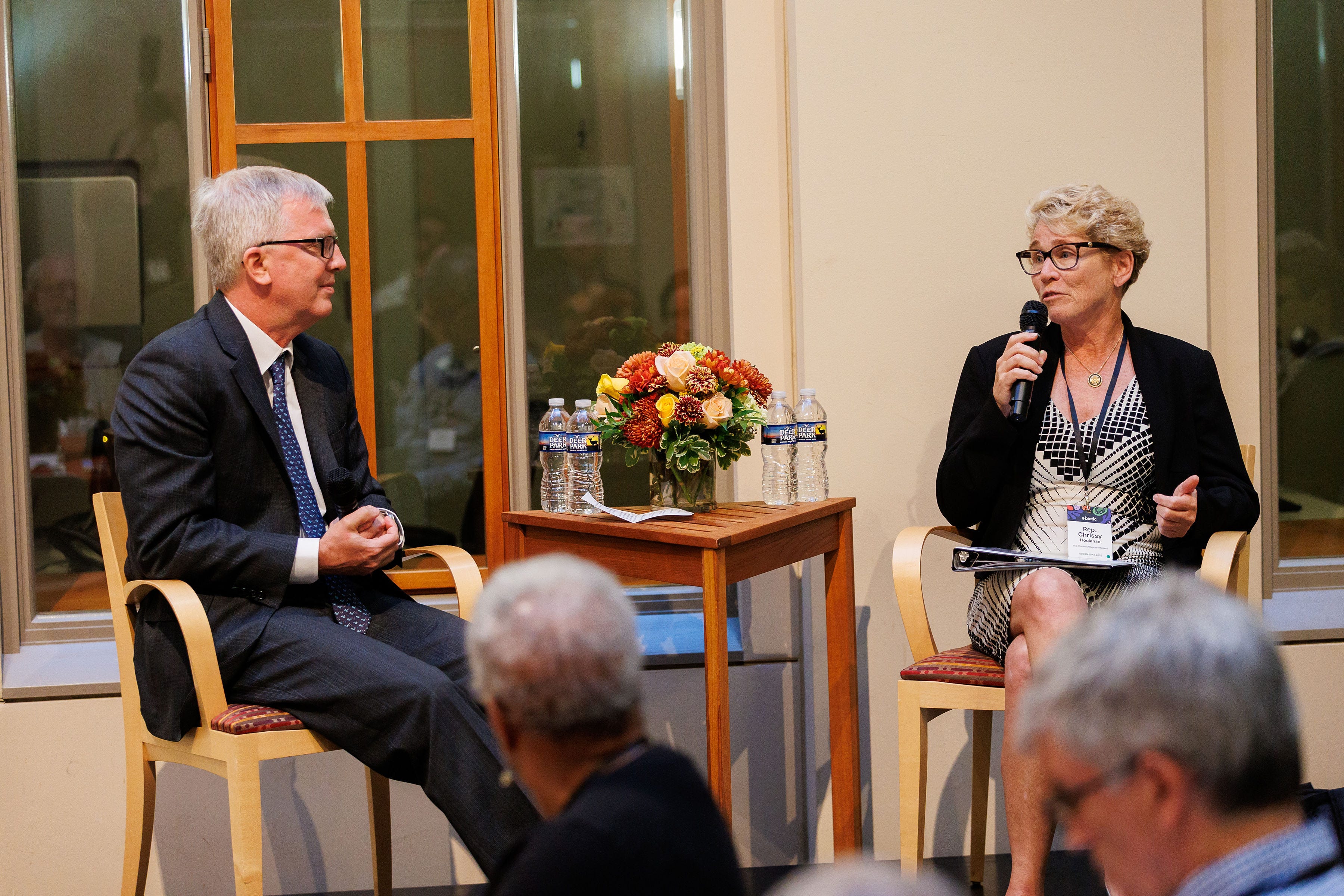
Photo by Fine Focus Studios
Safety as invention
Another theme was that safety need not merely constrain invention. It can itself become a field for invention. This matters because synthetic cells range from nonreplicating chemical assemblies to genome-containing systems capable of growth and division, making them difficult to fit within regulatory frameworks built around known organisms and genetic sequences. Should oversight focus on what a technology is, what it is designed to do, or how it behaves in a particular setting?
Adamala emphasized one safety advantage of building cells from scratch: safeguards do not have to be added after the fact. Researchers may be able to incorporate genetic firewalls, engineered dependencies, and kill switches from the beginning. Broader bioengineering literacy could provide another layer of protection by helping people use these technologies responsibly, recognize their risks, and guard against misuse.
Safety must also extend beyond the design of individual cells to the distribution of biological capabilities. As Drew Endy observed, “All atoms are local.” Distributed biological production could reduce dependence on fragile supply chains and centralized power, giving communities greater control over the things they need.
Yet the same openness that expands access can also spread dangerous capabilities. If synthetic cells are to become both ubiquitous and trustworthy, accessibility and security must be designed together.
Rewriting the story of science
Actor and futurist Ahmed Best – known for bringing Jar Jar Binks to life in Star Wars and playing Jedi Master Kelleran Beq in The Mandalorian – shifted the conversation from how science is done to how it is imagined. Scientists, he noted, are too often cast as villains who create what should never have been created. Best called instead for stories that are emotionally resonant and trustworthy: ones that acknowledge real risk while inviting people to see themselves as participants in shaping the future and deciding what technology is for.
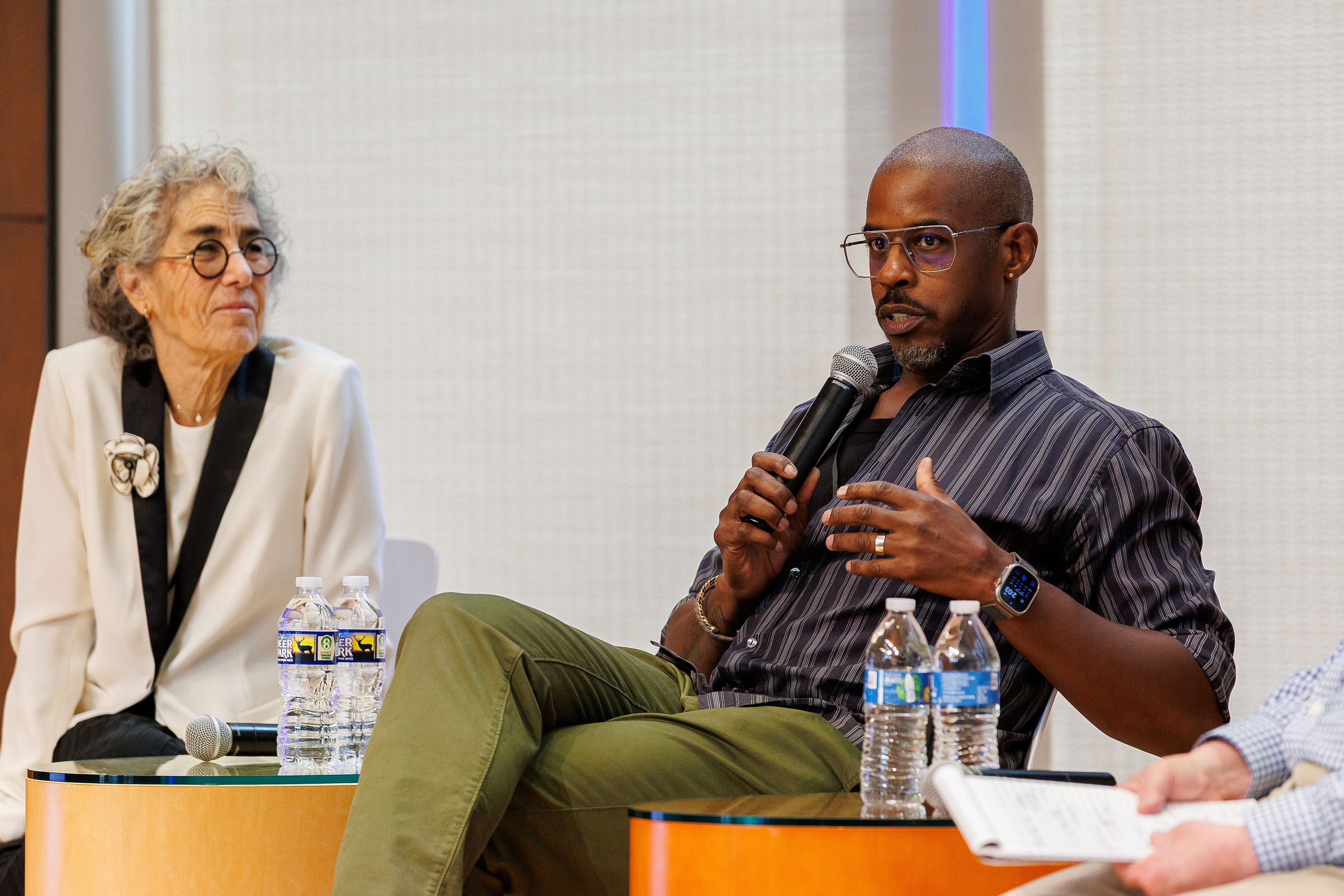
Photo by Fine Focus Studios
University of Chicago bioethicist Laurie Zoloth brought the stakes into focus with a historical thought experiment. She asked us to imagine how history might have unfolded if the Industrial Revolution had been designed to benefit workers. Technological revolutions do not choose their beneficiaries; people and institutions do.
That may be the defining question for 2050 – who benefits?